
Velato logovelato
From Shelf to System

8 reasons digitizing a bookshelf became unexpectedly indispensable

Most book lovers delay cataloging because it feels like bureaucratic admin work. Here is how having a digital mirror of physical shelves changes everyday reading.

REASON 01
I know what I own when I'm at the bookstore.

No more accidental duplicate purchases

Standing in front of a bookstore display wondering whether you already own that translation or edition is frustrating. A searchable catalog on your phone turns vague memory into certainty in five seconds.

REASON 02
I can actually find where a book is.

Instant shelf navigation

When a collection spans multiple rooms, bookcases, or double-stacked rows, finding a specific volume can turn into a 20-minute search. Recording room and shelf locations eliminates aimless shelf scanning.

REASON 03
My TBR finally makes more sense.

An intentional reading queue

Physical 'to-be-read' piles easily collapse into clutter. When you can filter your unread collection by theme, era, or length, choosing what to read next becomes deliberate instead of random.

REASON 04
I rediscovered books I'd forgotten I owned.

Surfacing hidden bookshelf treasures

Every reader has books bought years ago that vanished into the background. Cataloging surfaces forgotten classics and impulse buys that deserve a second look before buying something new.

REASON 05
I can keep track of books I lend out.

No more missing personal favorites

Loaning a book to a friend is one of reading's great pleasures—until months pass and you can't remember who borrowed it. A lightweight ownership status keeps your favorite copies from disappearing forever.

REASON 06
It's much easier to send my catalog to friends.

Frictionless book sharing

Instead of texting blurry photos of your bookcase or typing lists from memory, a shareable digital link lets friends browse your library shelves and pick something to borrow with one click.

REASON 07
I can see my library as a collection.

Curatorial patterns and shelf insights

A home library isn't just clutter on wood—it is an intellectual autobiography. Looking at your collection in aggregate reveals your recurring historical periods, favorite authors, and genre blind spots.

REASON 08
It was much easier than I expected.

The barrier to entry is gone

The dread of entering hundreds of ISBNs into spreadsheets kept us from starting. Modern shelf scanners that recognize multiple book spines at once make digitizing a bookcase a matter of minutes, not weekends.

Ready to catalog your own shelves?

You don't need to log every publication detail or Dewey decimal code. Start with our step-by-step guide to setting up an easy physical shelf workflow.

The Turning Point

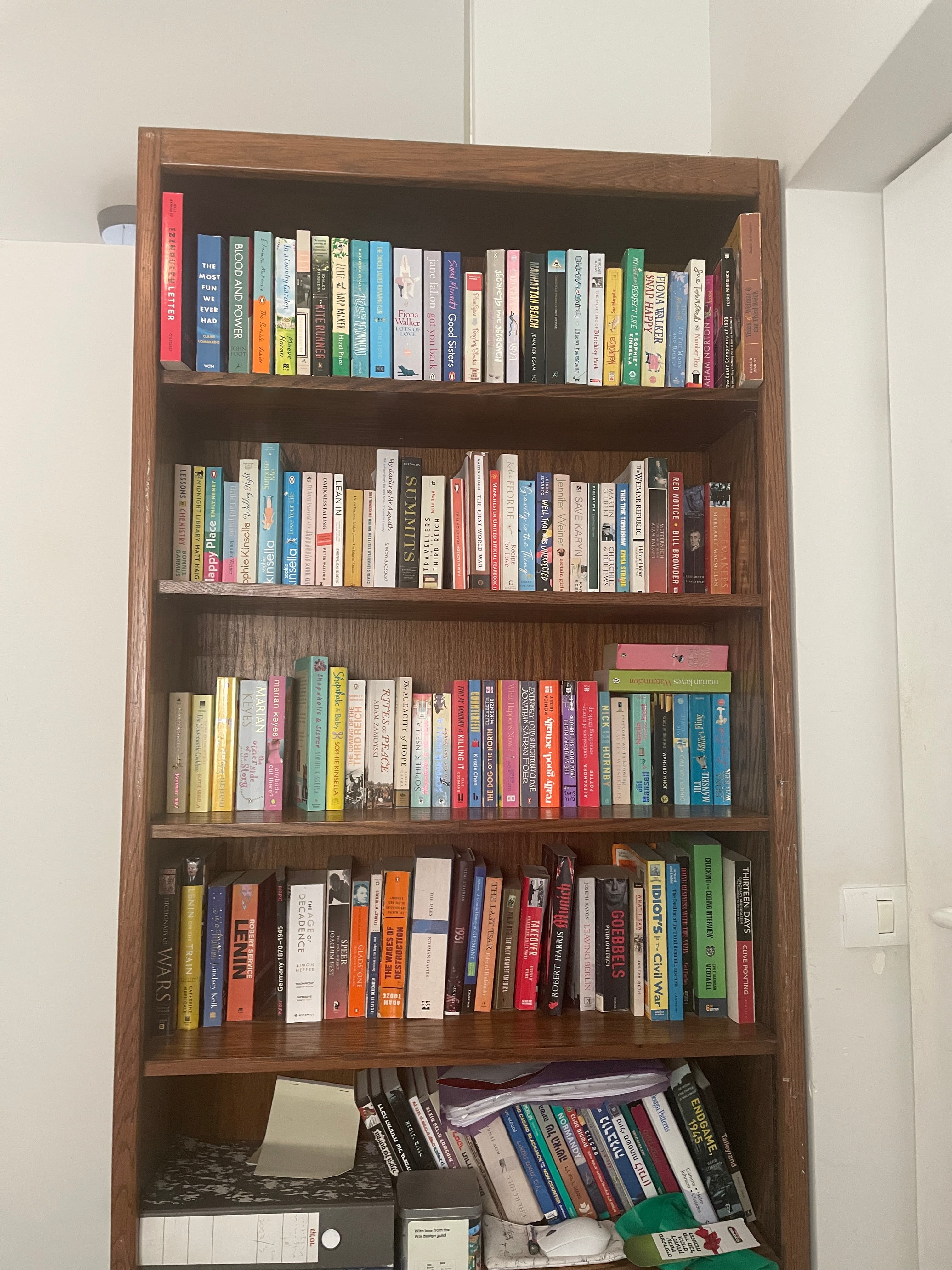
When physical shelves outgrow your working memory

Every serious reader reaches a point where memory alone can't track the shelves. You buy a book only to discover you bought the same paperback four years earlier. A friend asks for a recommendation, and you remember the plot but forget the author. A beloved novel is missing from your shelf, and you have no idea who borrowed it.

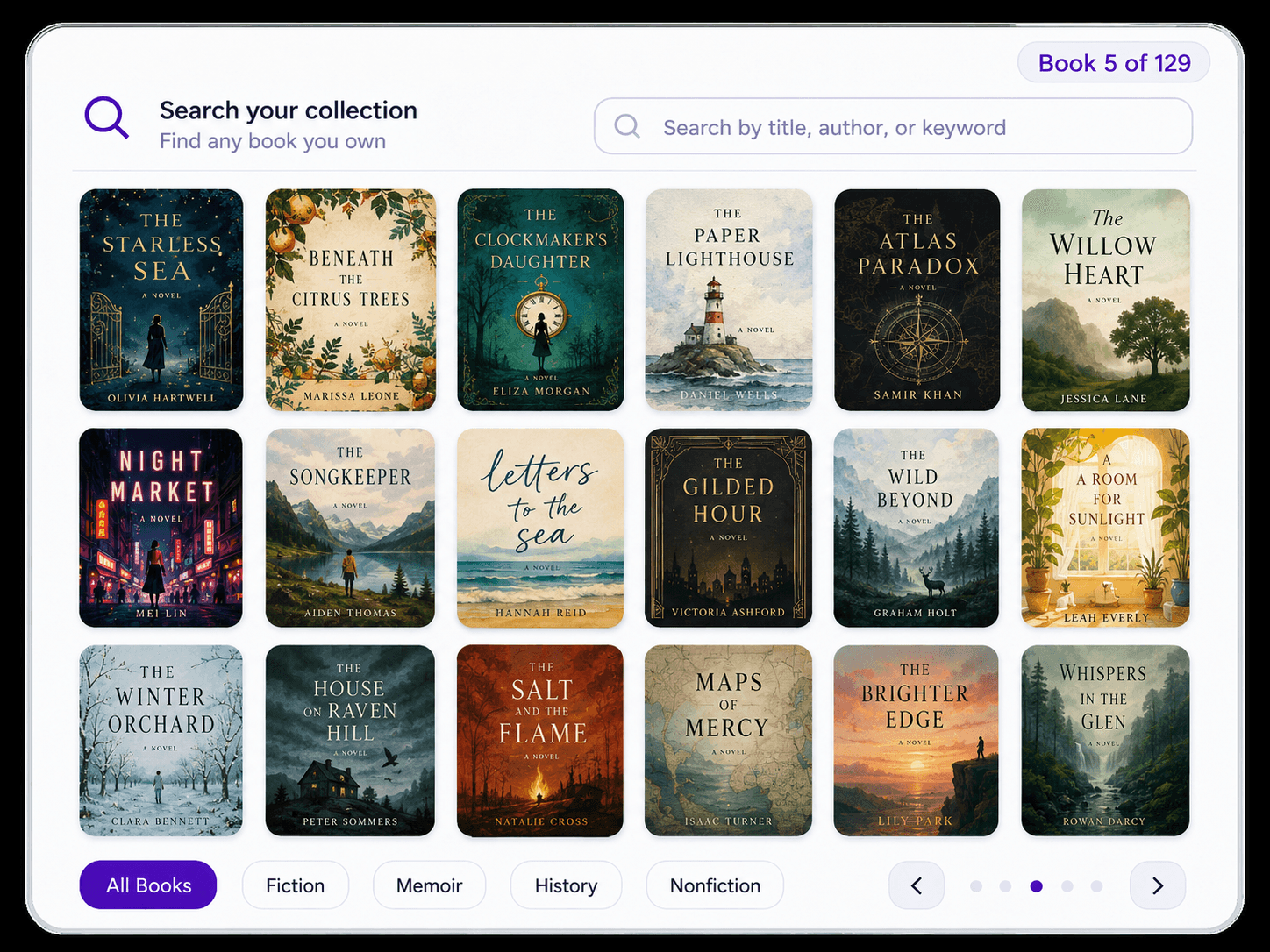
A home library catalog creates a quiet digital mirror of your physical collection. It requires zero library science training—just a reliable system that answers: 'Do I own it?' and 'Where is it sitting right now?'

Everyday payoffs

How a digital catalog changes your reading routine

Having an organized inventory transforms how you buy, read, and share physical books.

  1. 1

    Stop buying duplicate titles

    Check your phone at the bookstore before buying an edition or translation you might already own.

  2. 2

    Find physical copies in seconds

    Tag books with room and bookcase locations so you never hunt through double-stacked shelves.

  3. 3

    Turn clutter into an intentional TBR

    Filter your unread inventory by subject or length instead of staring blankly at stacked piles.

  4. 4

    Share your shelves effortlessly

    Send friends a digital link to your library instead of texting blurry shelf photos.

Related resources

Tools and guides to get started

Explore the practical workflows and software built for physical book owners.

  • How to Catalog a Home Library

    Learn the simplest workflow to log titles, authors, and shelf locations without barcode fatigue.

    Read practical guide
  • Best Book Catalog Apps

    Compare Velato, Libib, LibraryThing, and Goodreads across cataloging speed, search, and inventory features.

    Compare catalog apps
  • Shelf-First Book Scanner

    See how Velato uses continuous camera scanning to digitize an entire shelf of spines in one sweep.

    See shelf scanner

FAQ

Frequently Asked Questions

Common questions about cataloging and maintaining personal libraries.

  • Is cataloging a home library worth the effort?

    Yes, especially once a collection exceeds 100–200 books. A catalog solves immediate physical frictions: it stops you from buying duplicate copies at bookstores, tracks books you've lent out, and helps you locate specific titles across rooms instantly.
  • What is the biggest benefit of a personal library catalog?

    Visibility and rediscoverability. Having a searchable index on your phone turns shelves you normally overlook into an active, curated collection, encouraging you to read what you own rather than reflexively buying new books.
  • Does cataloging mean I have to scan every barcode?

    No. Modern shelf-scanning apps like Velato allow you to pan across visible book spines continuously, identifying multiple titles at once without pulling individual books off the shelf.
  • What information should I track in my book catalog?

    Start simple: Title, Author, Shelf/Room Location, and Status (Owned, Reading, Read, or Lent). Avoid recording unnecessary metadata that adds data-entry friction.

Ready to see your entire library in one place?

Scan your first shelf in seconds with Velato and stop typing titles one by one.